Late spring to summer is one of the busiest times for growers, who face challenges managing diverse crops and battling invasive pests like aphids, thrips and whiteflies. These pests extract sap, weakening plant vigor and potentially transmitting viruses. Preventing pest damage through early scouting and identification is crucial to protecting crop value and sales.
Scouting for signs
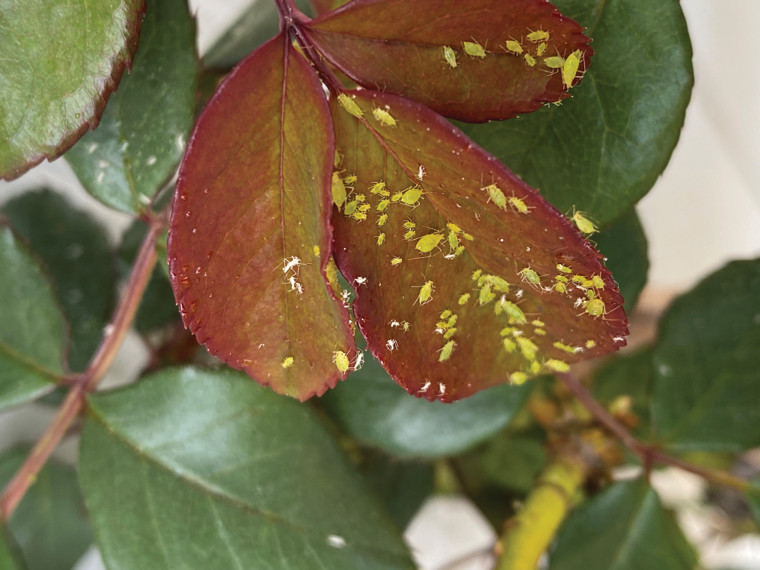
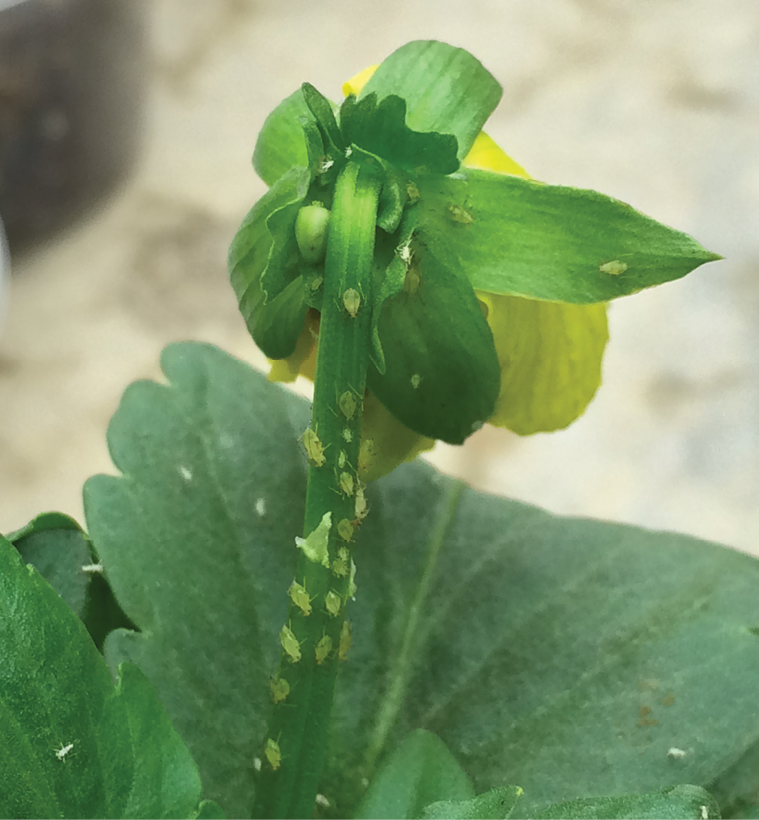
Aphids are commonly found feeding in large groups on new growth areas of plants but can also be located on stems, buds and lower leaves. This pest damages crops by:
- Removing phloem sap during feeding
- Excreting honeydew as it feeds, leading to black sooty mold on leaf surfaces.
Thrips typically feed on plant flowers and other tender plant tissue, such as young foliage and buds. They can also severely damage spring bedding plants by causing:
- Leaf stippling
- Scarring
- Distortion of flowers and foliage.
Feeding injury is particularly noticeable on plant terminals, newly expanded leaves and flower petals.
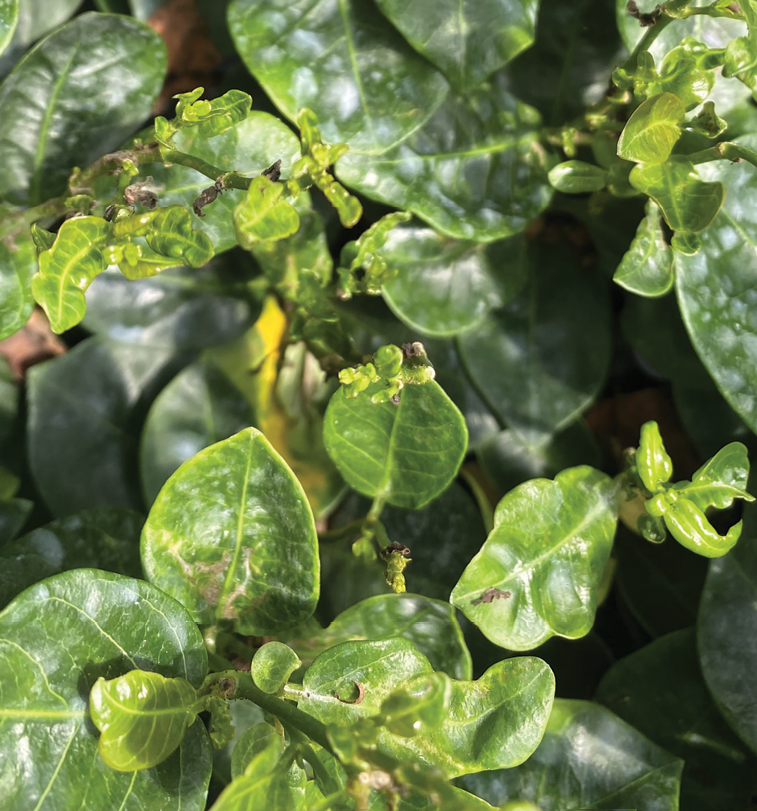
When scouting for whiteflies, check the undersides of leaves for adults, nymphs and eggs. Damage caused by adult and immature whiteflies can result in:
- Reduced leaf expansion
- Chlorotic spots on the top sides of leaves
- Leaf discoloration or silvering
- Leaf loss
- Honeydew secretions that can lead to black sooty mold on leaf surfaces.
Defense that springs into action
Scouting for pests and using proper cultural practices are essential, but, incorporating an insecticide like Mainspring® GNL into your agronomic program will enhance defense. Mainspring GNL, a powerful IRAC Group 28 diamide, effectively prevents aphids, thrips, whiteflies and more from reaching damaging levels. It offers extended protection through systemic movement, providing eight to 12 weeks of control as a drench or 14 days as a foliar spray when applied twice on a 14-day interval.
Mainspring GNL works by paralyzing insects, which stops feeding, preventing disease transmission and damage to foliage. Mortality is observed in two to seven days, depending on the pest.
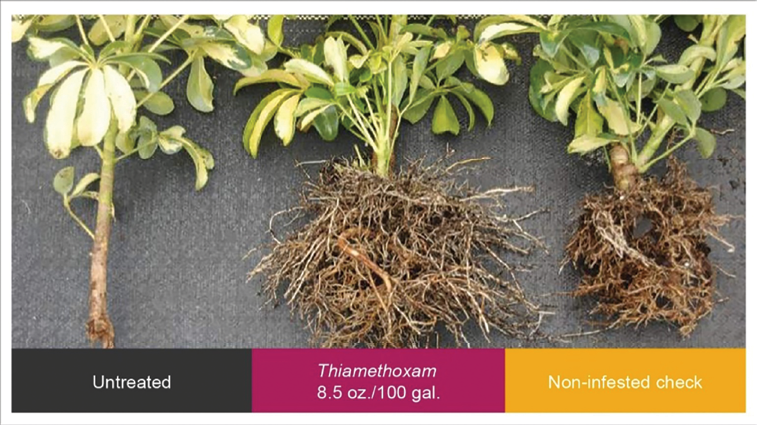
The latest insecticide from Syngenta, Mainspring Xtra, contains the same active ingredient as Mainspring GNL, cyantraniliprole, along with thiamethoxam, for fast knockdown of various pests, including fungus gnats, mealybugs and scale. Mainspring Xtra is also labeled for use on non-bearing fruit trees, nut trees and vegetable transplants for retail sale. Thiamethoxam also promotes plant vigor, enhancing root mass, stem strength and plant greenness to improve overall plant quality compared to untreated plants through the proven Thiamethoxam Vigor Effect.
Mainspring GNL and Mainspring Xtra make great rotational partners in an agronomic program. Find which Mainspring brand works for you and your operation.
Visit GreenCastOnline.com/MainspringGNL and GreenCastOnline.com/MainspringXtra to learn more and shield your crops from damaging pests.
All photos are either the property of Syngenta or are used with permission. Performance assessments are based upon results or analysis of public information, field observations and/or internal Syngenta evaluations. Trials reflect treatment rates and mixing partners commonly recommended in the marketplace.
© 2025 Syngenta. Important: Always read and follow label instructions. Some products may not be registered for sale or use in all states or counties and/or may have state-specific use requirements. Please check with your local extension service to ensure registration and proper use. GreenCast®, Mainspring® and the Syngenta logo are trademarks of a Syngenta Group Company. All other trademarks are the property of their respective third-party owners.

Explore the May 2025 Issue
Check out more from this issue and find your next story to read.
Latest from Greenhouse Management
- Blue Grass Farms acquires Brehob Nursery
- OHP expands sales team with new hire and internal promotion
- Seed Your Future aims to double 2025 total for 'Round-Up at the Register' 2026 campaign
- Beacon Impatiens partners with Roots for Youth in 2026
- Inner visions
- New internship data empowers horticulture employers
- American Horticultural Society announces winners of 2026 Great American Gardeners Awards
- Sustainabloom releases new sustainability template for wholesale florists