Editor's Note: This article originally appeared in the June 2025 print edition of Greenhouse Management under the headline “Making memories.”

The gardening boom of the pandemic years was undeniable, but in hindsight, it was also unsustainable.
At some point, the pandemic had to end, bringing people back to their regular rhythm. Nearly half a decade from the peak of COVID, it has become clear that gardening behaviors are leveling. But that doesn’t mean that the industry is looking at a decline. More likely, it’s looking at a new normal.
Observations from industry watchers, including marketing consultants, brand representatives and trade groups, show that even though gardening activities and sales have plateaued or seen marginal retreats, they remain higher than pre-pandemic levels.
So, what’s driving those that have stuck with gardening post-pandemic? What are they looking for from growers and plant brands, and what kind of trends are emerging in their outdoor spaces? The answers are enlightening and crucial to the future success of the industry.
Gender and generational shifts in gardening
According to the 2025 Axiom Gardening Outlook Study, the heat of the explosion in gardening may be cooling.
The study — which recruited respondents randomly from a panel of 70 million Americans who own a home and purchased garden plants last year — showed that fewer people in 2024 were spending more time in their garden compared to 2023, citing time as the top barrier. It’s one of a handful of findings indicating a slowdown.
However, there remains one cohort that continues to thrive in the garden: Gen Z. While baby boomers (those born between 1946 and 1964) may still be perceived as the most profitable customer of plants and gardening supplies, the Axiom report indicates a shift in the stalwart demographic.

Of the respondents, 56% of boomers said they spent the same amount of money gardening in 2024 as they did in 2023. However, they were least likely to say they spent more money in 2024 than in 2023 (26% compared to Gen X at 48% and Gen Z at 62%). Boomers were also the most likely to say they spent less money in 2024 compared to 2023.
The same trends persisted in terms of time spent gardening. In 2024, 50% of Gen Z respondents said they spent 50% more time in the garden in 2024 compared to 2023. Another 15% reported increasing their time in the garden by 100%.
Boomers, however, were the most likely generation to report spending less time in the garden while also being the least likely to spend more time in the garden.
And while the study finds there was a total decrease in those planning to spend more time in the garden compared to previous years, Axiom Marketing CEO Mike Reiber suggests the greenhouse and garden retail industries look to the behavior of Gen Z for hope.
“We’ve got lots of Gen Z who are spending up to 50 and 100% more time,” he says. “That’s really good. That tells me that we kept these younger people.”
Beyond young gardeners, more men seem to be taking to the garden as well. The Axiom study found that when comparing men's and women’s reported time in the garden in 2024 compared to 2023, men were more than twice as likely to report spending up to 50% more time in the garden. And men and women were about equally as likely to report spending 100% more time in the garden.
That statistic is reflected in data collected by plant brand Monrovia in its annual behavioral research study published in January 2025. That study, looking into survey responses from 1,400 plant-buying homeowners, found that 31% strongly agree with the statement that “Gardening has become a new hobby/activity of mine,” up 7% over 2024. That hobby is one more men particularly are enjoying, according to Katie Tamony, chief marketing officer and trend spotter for Monrovia.
“We’ve seen increases particularly in men ages 35 to 45 who may have started during the pandemic and are still interested,” Tamony says. “This is a group that is searching for information and is open to communicating in more tech-savvy ways, such as receiving text messages on plant and materials promotions or alerts to new plants in stock.”
Consumer motivations and desires
One of the primary goals of the annual Monrovia research is to tease out “insights into changing consumer attitudes and preferences about gardening,” according to Tamony. To that end, the survey found consumer motivations and desires that should shape 2025 and beyond.
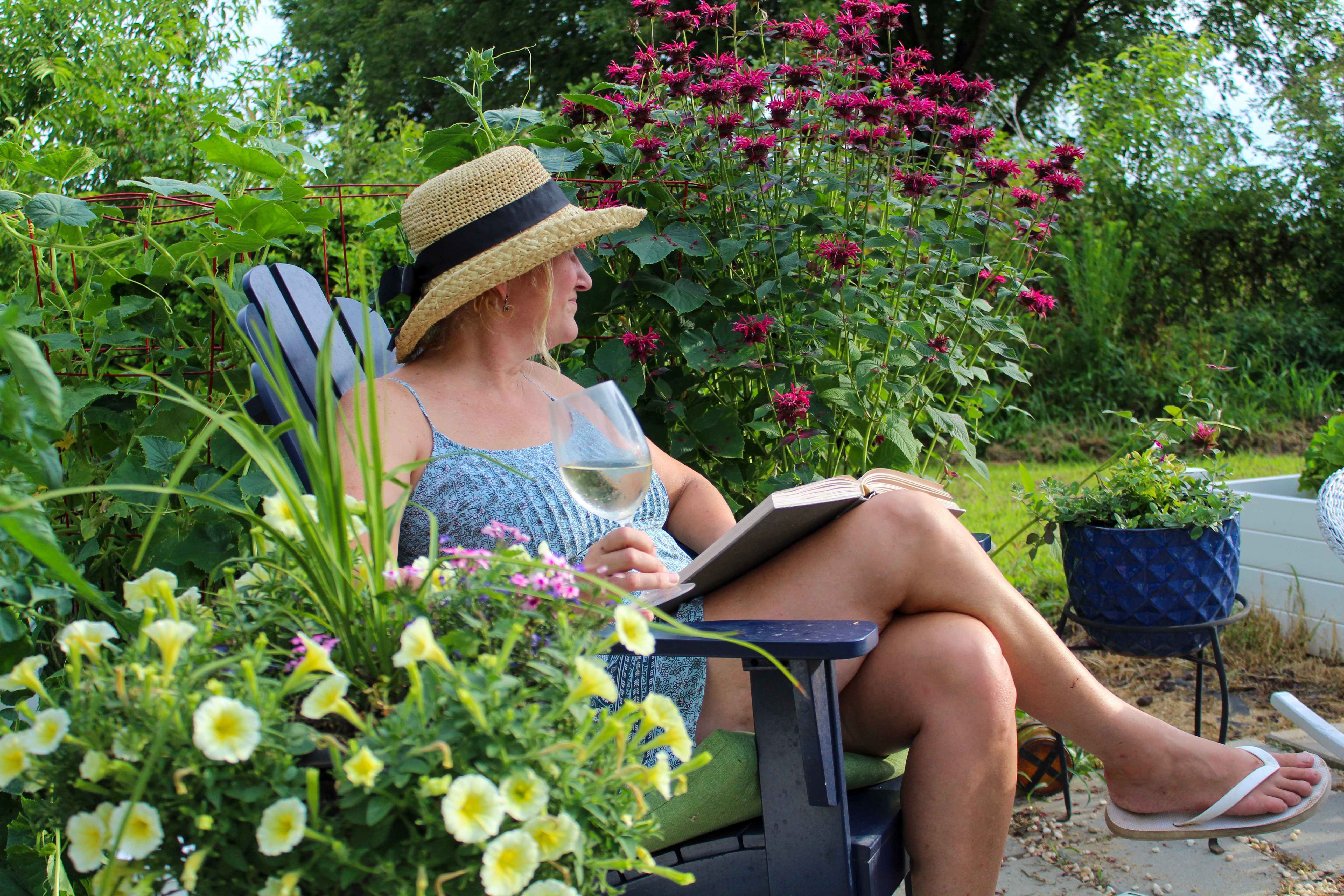
For instance, gardening has become a way for consumers to carve out time for themselves in a hectic world. According to the report, 39% of Monrovia survey respondents said gardening is their “me time.” That’s a significant 8% increase over the previous year. That increase could be connected to the garden being a refuge from an otherwise chaotic world that unfolds daily on consumer screens. But for growers and retailers, it means that they are enabling consumers a sense of peace. That’s particularly true for grower retailers.
“That means visiting a garden center has to be a relaxing, sensory experience,” Tamony says. “The more retailers can create a place where home gardeners can explore, create and relax, the more they can capitalize on this trend.”
More than peace, gardening provides a feeling of accomplishment for 58% of the Monrovia survey respondents. In fact, it’s the primary shared attitude of all the gardeners surveyed. Tamony notes that a healthy sense of competition is inherent in that pride. The industry can lean into that competition by giving gardeners a sense of insider knowledge by offering new plant “sneak peeks” or promoting unique and special plants that Tamony says will “give them the sense of leveling up their garden.”
But while uniqueness is helpful to leverage the competitive streak, there is also power in the tried-and-true plants cultivated by past generations. The Monrovia survey found that 36% of responding gardeners were reminded of simpler times while gardening, making them feel nostalgic, a 4% increase over 2024. Growers can capitalize on this trend by leaning into new takes on traditional plants.
Trending plants and designs for 2025 and beyond
The desire for nostalgia was amplified in trends spotted by the Philadelphia Horticultural Society at the 2025 Philadelphia Flower Show in March, themed (perhaps ironically) “Gardens of Tomorrow.”
Organizers noted the use of whimsical and nostalgic blooms, like sweet peas, delphiniums and daisies, and retro favorites such as marigolds, mums and carnations were a standout, evoking a sense of nostalgia and joy while making a stylish comeback. These blooms are being embraced by key floral arrangement trendsetters, including Jennifer Designs, winner of the 2025 PHS Philadelphia Flower Show Cup for Best in Show.
That trend continued beyond the blooms, captured in full landscape designs. Nostalgia-inspired landscapes showcased how designers are drawing inspiration from memories to create spaces that both celebrate the past and embrace the future.
“These gardens evoke childhood memories of idyllic meadows and carefree days, blending timeless natural features with modern design elements. In a world full of uncertainty, these gardens reclaim simpler times for the future, serving as retreats from our tech-heavy world,” PHS said in its forecast. “This trend was beautifully demonstrated in Apiary Studio’s exhibit, Grass Stains, where nostalgic, meadow-like designs invited visitors to step into a peaceful, memory-laden landscape.”
It’s likely that sense of nostalgia connects with a “lived-in luxury” trend highlighted by the Garden Media Group in its 2025 trends report “Nature’s Renaissance.” The group recently checked in on how the trend was faring in the face of global economic uncertainty and found it remains strong — or at least the desire for the aesthetic has.
“Notably, consumers’ aesthetic desire for the rare, beautiful and well-made has only increased,” says Katie Dubow, president of Garden Media Group. “Now, consumers are seeking ‘lived-in luxury’ items and aesthetics as a way to make a high-end life financially attainable.”
Dubow notes that while this trend has been seen in the purchases of second-hand, high-end luxury items that have a certain patina, it can also be recognized in the desire for consumers to purchase durable and long-lived “buy-it-for-life” products. The trend can also translate to the garden, as consumers look for plants that mature and survive for decades, like boxwoods, or that grow quickly to provide the feel of long-established gardens, like climbing roses, lilies or azaleas.

Explore the June 2025 Issue
Check out more from this issue and find your next story to read.
Latest from Greenhouse Management
- Blue Grass Farms acquires Brehob Nursery
- OHP expands sales team with new hire and internal promotion
- Seed Your Future aims to double 2025 total for 'Round-Up at the Register' 2026 campaign
- Beacon Impatiens partners with Roots for Youth in 2026
- Inner visions
- New internship data empowers horticulture employers
- American Horticultural Society announces winners of 2026 Great American Gardeners Awards
- Sustainabloom releases new sustainability template for wholesale florists