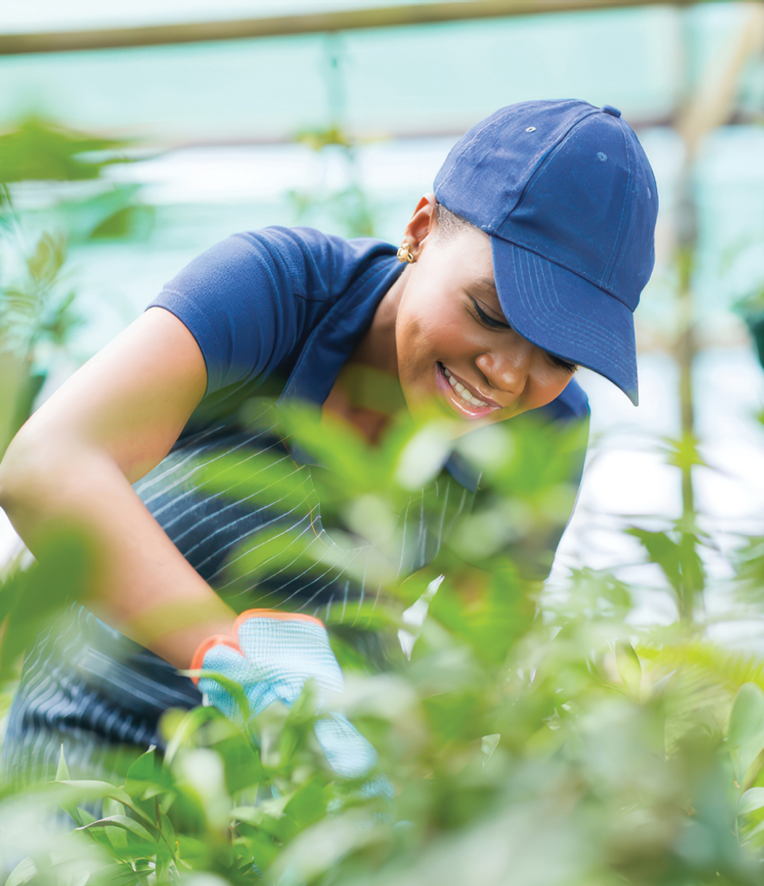
In today’s agricultural landscape, responsible labor practices are not just a moral imperative — they are a business necessity.
As greenhouse operations continue to expand to meet growing consumer demand, ensuring the health, safety and dignity of our workforce is essential to building resilient, ethical and sustainable supply chains.
Why Responsible Labor Practices Matter
At the heart of every successful greenhouse operation is the people who make it possible. From planting to harvesting, workers are the backbone of our industry. Responsible labor practices foster a stable, motivated workforce; reduce turnover; and enhance productivity.
Moreover, consumers and retailers are increasingly demanding transparency and ethical sourcing. Demonstrating a commitment to fair labor practices strengthens brand reputation and market access, especially in global supply chains.
Understanding the Risks
Greenhouse environments, while more controlled than open-field agriculture, are not without risks. Workers may face prolonged exposure to heat and humidity, repetitive motion injuries, chemical exposure and inadequate access to rest or sanitation facilities.
Additionally, the seasonal and migrant nature of agricultural labor can make workers vulnerable to exploitation, wage theft and unsafe living conditions.
What Growers Can Do
Growers play a pivotal role in setting the tone for ethical labor practices. This begins with clear labor policies, fair wages and safe working conditions. Providing training on health and safety protocols, ensuring access to protective equipment and fostering open communication channels for grievances are critical steps.
Equally important is the vetting of labor contractors to prevent unethical recruitment and employment practices.
Resources to Support Growers
Fortunately, growers are not alone in this journey. Several robust frameworks and tools are available:
- GRASP (GLOBALG.A.P. Risk Assessment on Social Practice) offers a practical, farm-level tool to assess social practices, including workers’ health, safety and welfare. It builds on good agricultural practice certification and helps identify areas for improvement with the credibility of third-party assessment.
- TheEthical Charter Implementation Program (ECIP) aims to enhance social responsibility and ethical labor practices within the fresh produce and floral industries by providing tools and resources for continuous improvement. ethicalcharterprogram.org
- Stronger Together provides training and resources to combat labor exploitation and promote responsible recruitment. Their programs empower businesses to identify risks and implement effective solutions.
By embracing these tools and fostering a culture of respect and responsibility, greenhouse growers can lead the way in shaping a more ethical and sustainable future for agriculture. After all, when we care for our people, we cultivate more than crops — we cultivate trust, resilience and long-term success.

Explore the December 2025 Issue
Check out more from this issue and find your next story to read.
Latest from Greenhouse Management
- [SNEAK PEEK] Leading Women of Horticulture: The women of Fairview Greenhouses & Garden Center
- [SNEAK PEEK] Leading Women of Horticulture: The inventive women of TPIE ’26
- Get to know Brian Kemble
- Proven Winners partners with Pure Line Seeds to offer vegetable plants
- Award winners announced for 2026 PHS Philadelphia Flower Show
- [SNEAK PEEK] Leading Women of Horticulture: Delilah Onofrey and Krystal Snyder
- Top 10 things to know about Envu
- [SNEAK PEEK] Leading Women of Horticulture: Alexa Patti