Photo courtesy of Philips
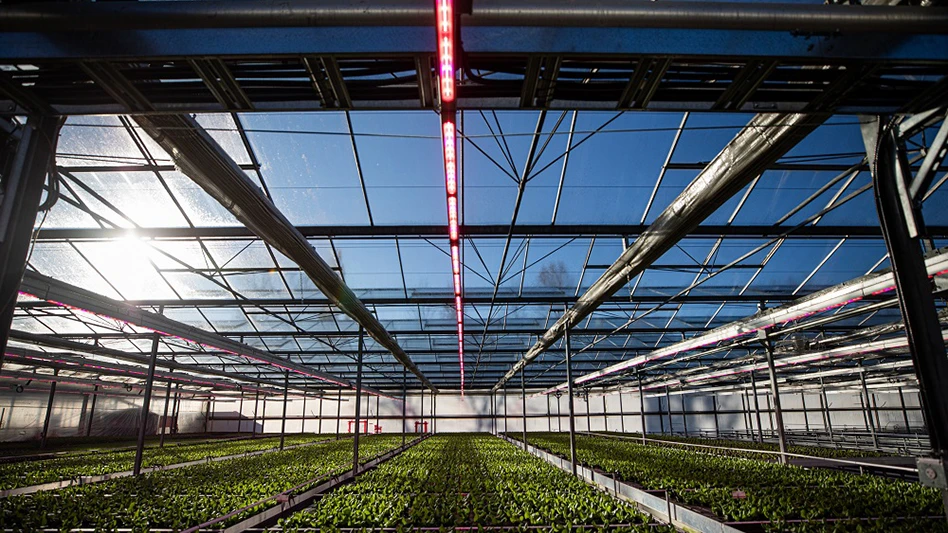
The use of LED grow lights has increased significantly in recent years. Alongside this, the number of new suppliers with unproven products has risen as well. Some make dubious claims about their product performance, which creates confusion about which LED grow lights to choose and how to compare apples to apples. Use the following three tips to judge performance and lifetime claims made by LED grow light suppliers, based on the most important characteristics that define performance.
1. Check both initial performance and performance over time being claimed
Initial performance and performance over time both define the longevity of the grow light. But how is each measured and how do suppliers use these numbers?
READ the entire article for more details.
2. Look closely at the lifetime claimed for an LED grow light
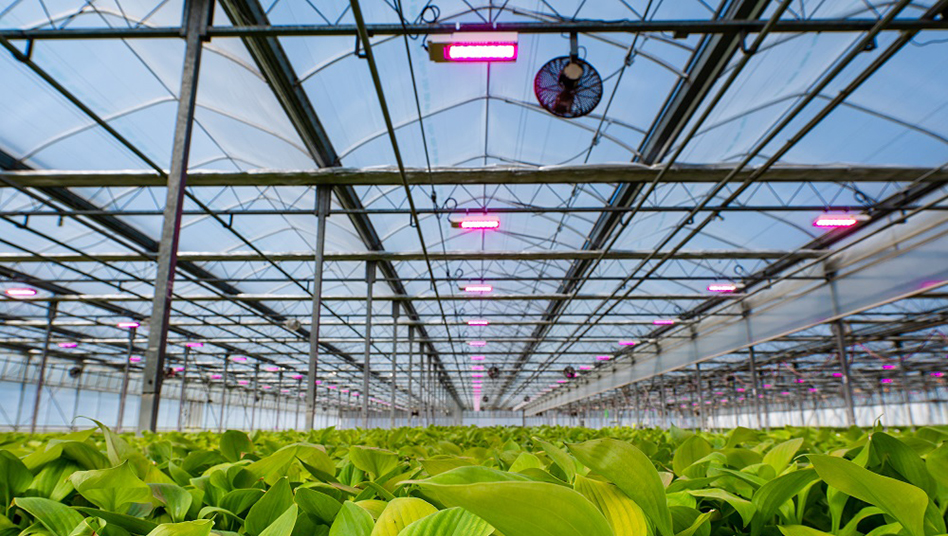
LED grow lights are a means of production for a grower, so lifetime discussions are mainly centered around the photon flux depreciation. Since the expected lifetime of LED grow lights is usually very long, those amounts of claimed hours cannot possibly be measured before a product is introduced to the market. Therefore, manufacturers use shorter measurements and extrapolate those to define their predictions over time.
3. Compare apples to apples
Applying international standards makes it possible to verify product performance and is the basis for an apple-to-apple comparison of performance claims from different manufacturers. It is important to remember that lifetime claims are predictions rather than measurements. Reputable manufacturers will base their calculations on historical design data and knowledge, component level testing and thermal design of the LED grow light.
READ the entire article for more details.
The bottom line is to do your homework and choose your supplier wisely to be sure you get the performance you paid for when you switch on the lights. Manufacturers who take great care to deliver quality products with data that has been substantiated will always be happy to answer any questions you have.
Ready to learn more about Philips LED lighting? Contact us and let’s talk.
Latest from Greenhouse Management
- Jackson & Perkins expands into Canadian market
- Green & Growin’ 26 brings together North Carolina’s green industry for education, connection and growth
- Marion Ag Service announces return of Doug Grott as chief operating officer
- Cincinnati Zoo & Botanical Garden debuting new perennial section at 2026 Breeder Showcase
- The Garden Conservancy hosting Open Days 2026
- Registration open for 2026 Perennial Plant Association National Symposium
- Resource Innovation Institute and North Dakota State University explore co-location of data center and greenhouses
- Fred C. Gloeckner Foundation Research Fund calls for 2026 research proposals