U.S. EPA has finalized protective standards for Florida to help reduce water pollution that causes harmful algae blooms. These blooms can produce toxins harmful to humans, animals and ecosystems. The blooms are caused by phosphorus and nitrogen pollution from excess fertilizer, storm water and wastewater that flows off land into waterways.
The final standards set specific numeric limits on the amount of nutrient pollution allowed in Florida’s lakes, rivers, streams and springs. EPA said these limits will provide predictability and clarity to all involved in protecting water quality compared to the current general standards. Currently, more than 1,900 rivers and streams, 375,000 acres of lakes, and 500 square miles of estuaries are known to be impaired by nutrients in Florida.
The new standards become effective 15 months from now, allowing cities, towns, businesses, other stakeholders and the state of Florida a full opportunity to review the standards and develop strategies for implementation.
During the 15-month period before the standards take effect, EPA will work closely with the state to determine the next steps to achieve the objectives of the standards. The standards do not take a “one-size-fits-all” approach, but reflect conditions in 5 different watershed regions and allow for case-by-case adjustments based on local environmental factors while maintaining water quality. Governments or other stakeholders can seek special consideration in cases where the state and local communities have extensively assessed water bodies and effective measures are in place to reduce nutrient pollution.
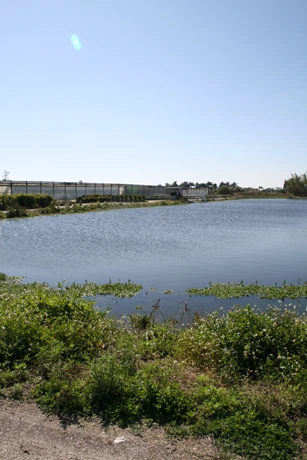
Pictured: The final EPA water protection standards set specific numeric limits on the amount of nutrient pollution allowed in Florida’s lakes, rivers, streams and springs.
Latest from Greenhouse Management
- The Growth Industry Episode 10: State of the Horticulture Industry
- Millennium Pacific Greenhouses launches California Grown Cucumber Program
- Scientists develop vitamin A-enriched tomato to fight global deficiency
- Tennessee Green Industry Field Day scheduled for June 11
- UTIA and UT Knoxville research teams will develop automated compost monitoring system
- Ken and Deena Altman receive American Floral Endowment Ambassador Award
- [SNEAK PEEK] Leading Women of Horticulture: The women of Fairview Greenhouses & Garden Center
- [SNEAK PEEK] Leading Women of Horticulture: The inventive women of TPIE ’26