.jpg)
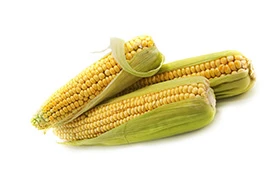
From News-Medical.Net: The seeds of greenhouse-grown corn could hold the key to treating a rare, life-threatening childhood genetic disease, according to researchers from Simon Fraser University.
SFU biologist Allison Kermode and her team have been carrying out multidisciplinary research toward developing enzyme therapeutics for lysosomal storage diseases - rare, but devastating childhood genetic diseases - for more than a decade.
In the most severe forms of these inherited diseases, untreated patients die in early childhood because of progressive damage to all organs of the body.
Currently, enzyme treatments are available for only six of the more than 70 diverse types of lysosomal storage diseases.
"In part because mammalian cell cultures have been the system of choice to produce these therapeutics, the enzymes are extremely costly to make, with treatments typically ranging from $300,000 to $500,000 per year for children, with even higher costs for adults," says Kermode, noting the strain on healthcare budgets in Canada and other countries is becoming an issue.
Greenhouse-grown maize may become a platform for making alpha-L-iduronidase, an enzyme used to treat the lysosomal storage disease known as mucopolysaccharidosis I, according to research published in this week's Nature Communications.
Click here to continue reading.
Latest from Greenhouse Management
- The Growth Industry Episode 10: State of the Horticulture Industry
- Millennium Pacific Greenhouses launches California Grown Cucumber Program
- Scientists develop vitamin A-enriched tomato to fight global deficiency
- Tennessee Green Industry Field Day scheduled for June 11
- UTIA and UT Knoxville research teams will develop automated compost monitoring system
- Ken and Deena Altman receive American Floral Endowment Ambassador Award
- [SNEAK PEEK] Leading Women of Horticulture: The women of Fairview Greenhouses & Garden Center
- [SNEAK PEEK] Leading Women of Horticulture: The inventive women of TPIE ’26