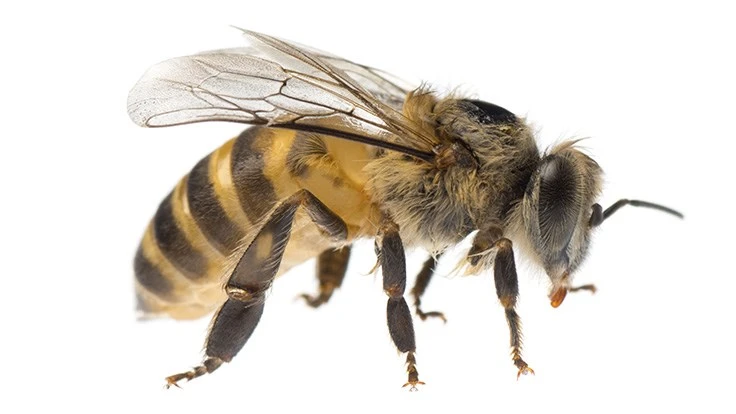
Pollinators around the world are in trouble: A recent report puts 40 percent of the smallest ones—like butterflies and bees—at risk of extinction. Could miniature drones fill the gap?
To find out, researchers ordered a small drone online and souped it up with a strip of fuzz made from a horsehair paintbrush covered in a sticky gel. The device is about the size of a hummingbird, and has four spinning blades to keep it soaring. With enough practice, the scientists were able to maneuver the remote-controlled bot so that only the bristles, and not the bulky body or blades, brushed gently against a flower’s stamen to collect pollen—in this case, a wild lily (Lilium japonicum), they report today in Chem.
To read the full story, click here.
To read the full report, click here.
Photo: Thinkstock.com
Latest from Greenhouse Management
- Jackson & Perkins expands into Canadian market
- Green & Growin’ 26 brings together North Carolina’s green industry for education, connection and growth
- Marion Ag Service announces return of Doug Grott as chief operating officer
- Cincinnati Zoo & Botanical Garden debuting new perennial section at 2026 Breeder Showcase
- The Garden Conservancy hosting Open Days 2026
- Registration open for 2026 Perennial Plant Association National Symposium
- Resource Innovation Institute and North Dakota State University explore co-location of data center and greenhouses
- Fred C. Gloeckner Foundation Research Fund calls for 2026 research proposals