.jpg)
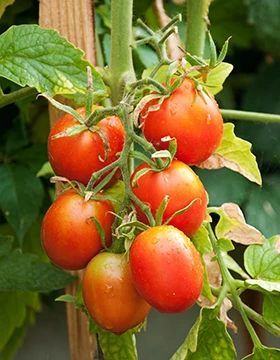
From Agricultural Research: A fumigant called phosphine is more effective at controlling insects when it's combined with oxygen, according to findings by a U.S. Department of Agriculture (USDA) scientist. The oxygen-phosphine combination could be an environmentally friendly alternative to methyl bromide for combating pests on harvested fruits and vegetables.
Entomologist Yong-Biao Liu with USDA's Agricultural Research Service (ARS) in Salinas, Calif., found that oxygenated phosphine fumigation effectively controlled several insect pests during laboratory studies. ARS is USDA's principal intramural scientific research agency, and this research supports the USDA priority of promoting international food security.
In the ARS Crop Improvement and Protection Research Unit at Salinas, Liu tested phosphine fumigation under high levels of oxygen against four pests: western flower thrips adults and larvae, leafminer pupae, grape mealybug eggs, and Indianmeal moth eggs and pupae. The four species represent insect types and life stages for which quarantine treatments are needed.
Click here to continue reading.
Latest from Greenhouse Management
- Jackson & Perkins expands into Canadian market
- Green & Growin’ 26 brings together North Carolina’s green industry for education, connection and growth
- Marion Ag Service announces return of Doug Grott as chief operating officer
- Cincinnati Zoo & Botanical Garden debuting new perennial section at 2026 Breeder Showcase
- The Garden Conservancy hosting Open Days 2026
- Registration open for 2026 Perennial Plant Association National Symposium
- Resource Innovation Institute and North Dakota State University explore co-location of data center and greenhouses
- Fred C. Gloeckner Foundation Research Fund calls for 2026 research proposals