National Oceanic and Atmospheric Administration (NOAA) and the American Public Gardens Association (APGA) have partnered to develop a pilot project at Longwood Gardens in Kennett Square, Pa., that links NOAA’s climate services and APGA’s public gardens, which receive more than 70 million visitors a year. This partnership is focused on educating gardeners and garden enthusiasts about the possible effects of climate change on America’s gardens, landscapes and green spaces.
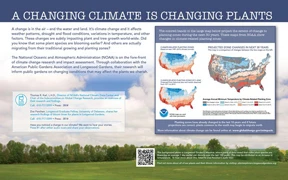
Using NOAA climate data, the project exhibits maps showing how changes in average annual minimum temperatures affect climate-related planting zones. The information can help gardeners, landscapers and farmers identify which plant species best survive in certain conditions. The exhibit is augmented by a cell-phone recording that explains what the changing planting zones mean for local plants in Longwood Gardens, as well as for area gardeners.
“Climate change is happening now, and it’s beginning to affect the things we care about, such as our treasured gardens, parks and natural landscapes,” said Jane Lubchenco, under secretary of commerce for oceans and atmosphere and NOAA administrator. “This new partnership provides a special opportunity for NOAA to connect with gardeners and communities across the nation to help everyone better understand what changes in local climate mean for the plants, trees and landscaped areas around them.”
Latest from Greenhouse Management
- The Growth Industry Episode 10: State of the Horticulture Industry
- Millennium Pacific Greenhouses launches California Grown Cucumber Program
- Scientists develop vitamin A-enriched tomato to fight global deficiency
- Tennessee Green Industry Field Day scheduled for June 11
- UTIA and UT Knoxville research teams will develop automated compost monitoring system
- Ken and Deena Altman receive American Floral Endowment Ambassador Award
- [SNEAK PEEK] Leading Women of Horticulture: The women of Fairview Greenhouses & Garden Center
- [SNEAK PEEK] Leading Women of Horticulture: The inventive women of TPIE ’26