Researchers from five universities are part of a nationwide team working to sequence the genome of the single living sister species to all other flowering plants. Information collected on Amborella trichopoda, a large shrub found only on the South Pacific island of New Caledonia, will help researchers understand how flowering plants diversified over time. Determining the plant’s genome will provide insight into the key processes involved in the formation of the world’s ecosystems. The $7.3 million project is funded by the National Science Foundation.
“This plant shares a common ancestor with the first flowering plants, which places it in a unique evolutionary position,” said Pam Soltis, project co-investigator and distinguished professor and curator of molecular systematics and evolutionary genetics at Univ. of Fla.’s Florida Museum. “The information from the project will allow researchers to determine whether a specific gene or process is unique to a particular plant or goes back to the beginnings of angiosperm evolution. This will enhance efforts to improve agriculture and forestry by giving plant biologists a reference point for understanding all other flowering plant genomes.”
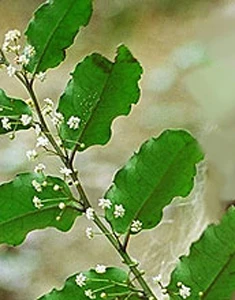
Pictured: Amborella trichopoda, a large shrub found only on the South Pacific island of New Caledonia, is the closest living relative of the earliest angiosperms (flowering plants).
Photo by Thomas Lemieux, Univ. of Colo.-Boulder
Latest from Greenhouse Management
- The Growth Industry Episode 10: State of the Horticulture Industry
- Millennium Pacific Greenhouses launches California Grown Cucumber Program
- Scientists develop vitamin A-enriched tomato to fight global deficiency
- Tennessee Green Industry Field Day scheduled for June 11
- UTIA and UT Knoxville research teams will develop automated compost monitoring system
- Ken and Deena Altman receive American Floral Endowment Ambassador Award
- [SNEAK PEEK] Leading Women of Horticulture: The women of Fairview Greenhouses & Garden Center
- [SNEAK PEEK] Leading Women of Horticulture: The inventive women of TPIE ’26