Plants adapt best to cooler outdoor temperatures when they have been started at optimum production temperatures and have a well-established root system. Once plants reach the desired size, greenhouse temperatures can be lowered to 45°F-55°F for at least a week to acclimate them before moving them outdoors. Univ. of Mass. extension floriculture specialist Tina Smith and Univ. of Conn. extension horticulture and greenhouse IPM specialist Leanne Pundt said growers should monitor the weather forecast and avoid moving cold-tolerant annuals and herbaceous perennials outdoors if a hard frost (below 28°F) is predicted within at least 3 nights of when plants will be moved outside. Plants should not be placed in low-lying areas because frost tends to settle in these locations. If temperatures drop below 28°F, plants should be covered.
Botrytis blight and lack of fertilizer are common problems with outdoor production. Watering plants in the morning and letting the foliage dry before night can help prevent Botrytis. Plants grown outdoors may require less water resulting in less frequent irrigation and less fertilizer applications. Plants should continue to be fertilized and nutrient levels should be maintained. Pay particular attention during rainy periods and monitor plants for both Botrytis and nutrient leaching.
Cool growing media temperatures increase the risk of root rots caused by Pythium, Rhizoctonia and Thielaviopsis. Monitor plant roots regularly for disease and apply preventive fungicides early.
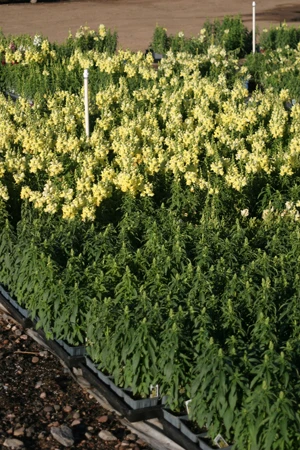
Pictured: Cool temperature crops like snapdragon should be well established and hardened off before being moved outdoors.
Latest from Greenhouse Management
- The Growth Industry Episode 10: State of the Horticulture Industry
- Millennium Pacific Greenhouses launches California Grown Cucumber Program
- Scientists develop vitamin A-enriched tomato to fight global deficiency
- Tennessee Green Industry Field Day scheduled for June 11
- UTIA and UT Knoxville research teams will develop automated compost monitoring system
- Ken and Deena Altman receive American Floral Endowment Ambassador Award
- [SNEAK PEEK] Leading Women of Horticulture: The women of Fairview Greenhouses & Garden Center
- [SNEAK PEEK] Leading Women of Horticulture: The inventive women of TPIE ’26