Environmental and economic factors both influence which varieties of lettuce, leafy greens and other spring crops growers might want to consider growing and selling in the spring, says Steve Froehlich, horticultural engineer and crop consultant at CropKing.
Growers in different parts of the United States will more successfully be able to grow certain types of lettuce throughout the spring season, Froehlich says. “We’re coming into spring, but we’re still very light-deficient so that we would be growing varieties that would be more typical probably down south in the middle of the winter,” he says.
Froehlich says he recommends to growers that they dedicate a small amount of their growing space new varieties trialing. “Lettuce can be fairly finnicky depending on the environment that it has to grow in,” he says. “It grows so quickly. Small changes in the environment can have a big change in what the final outcome of that plant can be. I won’t say that I can grow everything. We try. But do it on a small-scale basis first and see if it’s something that works well in your system based on your habits and your way of doing things, and then see if you can sell it into the marketplace.”
Changes in the marketplace throughout different times of the year determine which varieties growers should focus on, too, Froehlich says. “Grocery stores usually have the romaines and butterheads and the Bibb-type lettuces, but you can get into a lot of the funkier colors and textures and styles, and be able to sell them very well this time of year at farmers markets,” he says. “When people have been cooped up all winter, and they’re ready to get out, they’re ready to have different food and something that’s different than what they would get out of their traditional grocery store.”
In various parts of the United States, a demand for Asian greens is increasing, Froehlich says. He has grown them in a CropKing nutrient film technique system, and was impressed by the results. However, consumers within certain demographics, such as rural farming communities that extend back generations, might be less likely to buy these “new” varieties.
There are no “hard and fast” rules to follow when it comes to choosing which lettuce varieties to grow, and growers need to follow local market trends, Froehlich says. “I know with us at home, some of the fancier – the oak leaves and the multileaves and those types of lettuces – have done very well this time of year in direct selling in more of the farmers market-type venues,” he says. “But then, for whatever reason, people’s tastes change, and all of a sudden they want Bibb lettuce.”
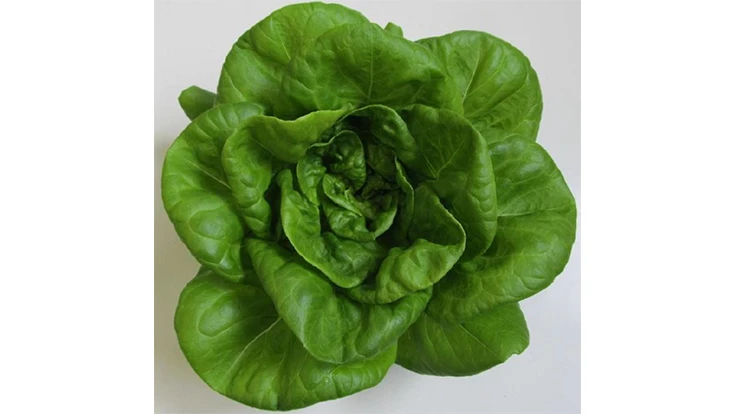
Photo courtesy of Steve Froehlich
Latest from Greenhouse Management
- The Growth Industry Episode 10: State of the Horticulture Industry
- Millennium Pacific Greenhouses launches California Grown Cucumber Program
- Scientists develop vitamin A-enriched tomato to fight global deficiency
- Tennessee Green Industry Field Day scheduled for June 11
- UTIA and UT Knoxville research teams will develop automated compost monitoring system
- Ken and Deena Altman receive American Floral Endowment Ambassador Award
- [SNEAK PEEK] Leading Women of Horticulture: The women of Fairview Greenhouses & Garden Center
- [SNEAK PEEK] Leading Women of Horticulture: The inventive women of TPIE ’26