Photos courtesy of UF Institute of Food and Agricultural Sciences
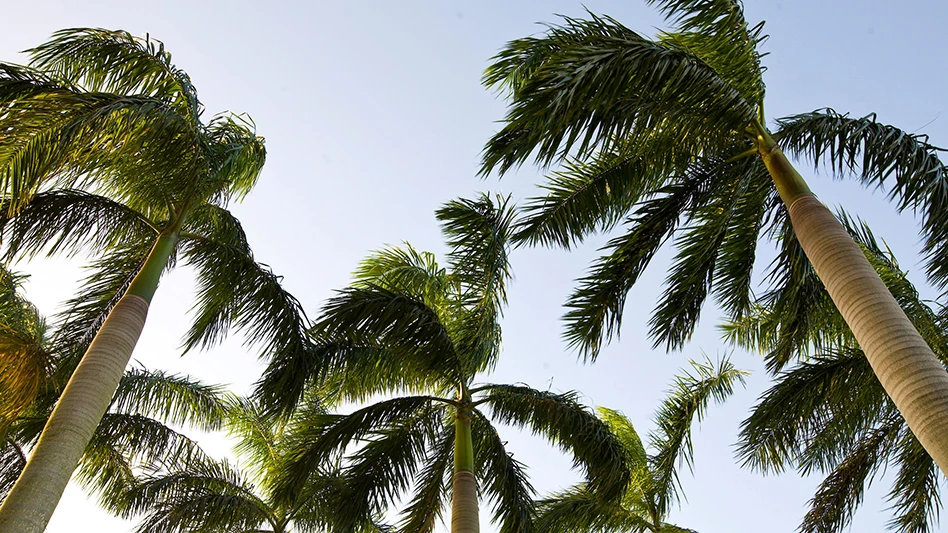
Florida’s palm trees don’t just define the Sunshine State’s skylines. They are important to the state’s environment and economy. Yet pests, diseases and nutrient issues can make it tough to keep the many varieties healthy.
To help growers, landscapers, arborists and property managers protect these tropical staples, a team of University of Florida scientists in South Florida stands ready to tackle palm trees’ woes.
On Nov. 5, the Palm Short Course returns. Hosted at the Fort Lauderdale Research and Education Center, part of the UF Institute of Food and Agricultural Sciences, this event is devoted to palm health and management. The program runs from 8 a.m. to 3 p.m. at 3205 College Ave., Davie, Florida, with lunch included and an online option available for participants across the state. For more information and to register, please visit this required website.
“This course is a chance for property managers of all industries, golf course superintendents, growers, landscapers, arborists and others to learn the latest from a team dedicated to keeping the palm industry sustainable,” said Mica McMillan, assistant professor of palm horticulture. “We cover all aspects of palm growth, from diseases to grading, and we’ll also share where palm research is heading at UF/IFAS. We’re committed to making UF/IFAS the leading global resource for palm research.”
Palm trees aren’t just symbols of tropical beauty. They are also economic powerhouses. According to the 2019 Census of Horticultural Specialties, U.S. horticulture operations reported $13.8 billion in sales, with Florida contributing $1.93 billion, including palms.
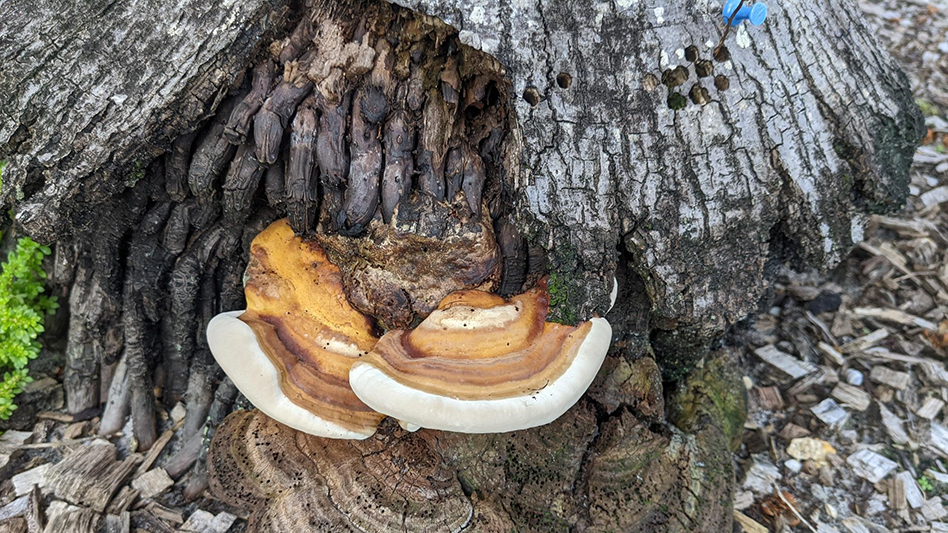
The 2025 Palm Short Course will feature experts addressing critical topics including palm nutrition, lethal bronzing, fungal diseases, water conservation and how artificial intelligence is being used to track invasive species that threaten Florida’s landscapes.
Topics and speakers include:
- 8 to 8:05 a.m., Registration and welcome by Jack Rechcigl, FLREC director
- 8:05 to 9 a.m., Mica McMillan: Updates on Alternative Palm Fertilizers
- 9 to 10 a.m., Brian Bahder: Lethal Bronzing and Palm Pets
- 10 to 11 a.m, Braham Dhillon: Diagnostics and Management of Fungal Diseases of Palms
- 11 to 11:30 a.m., Kimberly Moore: Landscape Water Conservation Survey Results
- Noon to 1 p.m., Melissa Miller: AI Smart Traps for Capture of an Invasive Lizard
- 1 to 2 p.m., Aaron Mullins: Pollinators and Structural Pest Interactions with Palm Trees
- 2 to 3 p.m., Frequently Asked Questions and Post-Test Survey, Southern IPM Center
The program will also provide continuing education units for industry professionals in a variety of categories, including Limited Wildlife, Ornamental and Turf Pest Control, Core and Landscape Maintenance.
Latest from Greenhouse Management
- Blue Grass Farms acquires Brehob Nursery
- OHP expands sales team with new hire and internal promotion
- Seed Your Future aims to double 2025 total for 'Round-Up at the Register' 2026 campaign
- Beacon Impatiens partners with Roots for Youth in 2026
- Inner visions
- New internship data empowers horticulture employers
- American Horticultural Society announces winners of 2026 Great American Gardeners Awards
- Sustainabloom releases new sustainability template for wholesale florists