AUSTIN, Texas — Scientists from The University of Texas at Austin and Texas A&M University are investigating an innovative new way to protect crops from pathogens, thanks to a four-year cooperative agreement worth up to $5 million awarded through the Defense Advanced Research Projects Agency Insect Allies Program.
The program, which seeks to bolster food security, challenges scientists to develop technologies that support rapid response to environmental disasters (such as severe drought or flooding) or the defeat of a destructive new pathogen or pest before it spreads through fields of grown plants and ruins a crop prior to harvest.
“When you’re facing an imminent threat, you can’t go back in the lab, make some transgenic plants that are resistant, and plant them next year,” said Jeffrey Barrick, an assistant professor in the Department of Molecular Biosciences at UT Austin. “You have to go out in a rapid response, within that same growing season, and save the crop.”
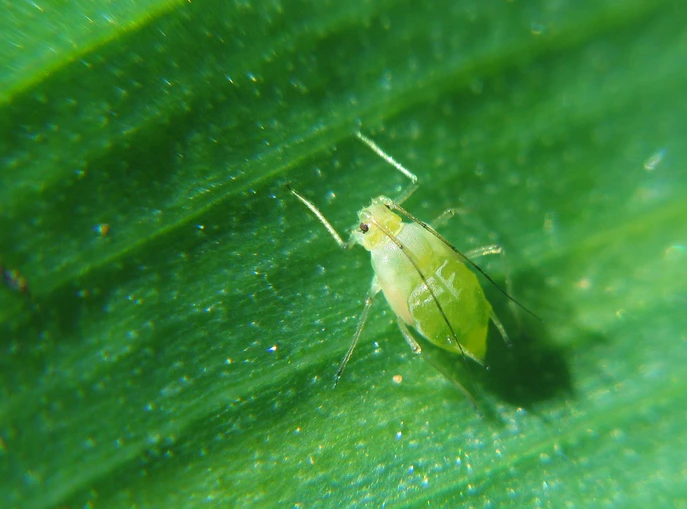
Barrick leads one of four DARPA-funded teams across the country that are attempting to turn traditional crop pests, such as aphids, into delivery vehicles for plant gene therapies.
Photo: Thinkstock
Latest from Greenhouse Management
- The Growth Industry Episode 10: State of the Horticulture Industry
- Millennium Pacific Greenhouses launches California Grown Cucumber Program
- Scientists develop vitamin A-enriched tomato to fight global deficiency
- Tennessee Green Industry Field Day scheduled for June 11
- UTIA and UT Knoxville research teams will develop automated compost monitoring system
- Ken and Deena Altman receive American Floral Endowment Ambassador Award
- [SNEAK PEEK] Leading Women of Horticulture: The women of Fairview Greenhouses & Garden Center
- [SNEAK PEEK] Leading Women of Horticulture: The inventive women of TPIE ’26