Biomass Crop Assistance Program, created in the 2008 Farm Bill, is a primary component of the domestic agriculture, energy and environmental strategy to reduce U.S. reliance on foreign oil, improve domestic energy security, reduce carbon pollution, and spur rural economic development and job creation. BCAP provides incentives to interested farmers, ranchers and forest landowners for the establishment and cultivation of biomass crops for heat, power, bio-based products and biofuels.
Craig Regelbrugge, ANLA’s president for government relations, said “USDA’s final rule expressly states that the purpose of this regulation is to provide incentives for the cultivation of new biomass for new markets rather than divert biomass from existing markets.”
The rule gives USDA authority to deny market payments for potential biomass sources that go to higher value products such as horticultural growing media, lumber, fiberboard and paper.
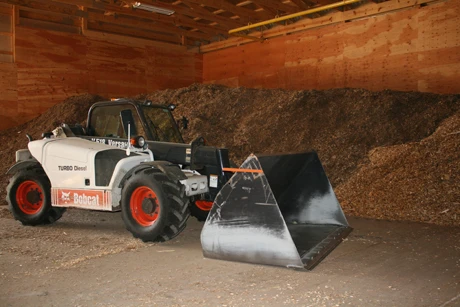
Pictured: USDA's final ruling on the Biomass Crop Assistance Program is focused on development of new energy sources and should not cause problems for established markets and industries, including production of commercial growing mixes for the horticulture industry.
Latest from Greenhouse Management
- The Growth Industry Episode 10: State of the Horticulture Industry
- Millennium Pacific Greenhouses launches California Grown Cucumber Program
- Scientists develop vitamin A-enriched tomato to fight global deficiency
- Tennessee Green Industry Field Day scheduled for June 11
- UTIA and UT Knoxville research teams will develop automated compost monitoring system
- Ken and Deena Altman receive American Floral Endowment Ambassador Award
- [SNEAK PEEK] Leading Women of Horticulture: The women of Fairview Greenhouses & Garden Center
- [SNEAK PEEK] Leading Women of Horticulture: The inventive women of TPIE ’26